A student exhibition on medical innovation, health and human adaptability.
In Semester 1, 2018-19 MA Art Gallery and Museum Studies students performed a range of collections management, interpretation and exhibition development tasks with about 30 objects from the University's Museum of Medicine and Health. Students researched and documented objects, assessed their conservation and environmental needs, examined the long-term sustainability of the collection and proposed possible uses of the collection.
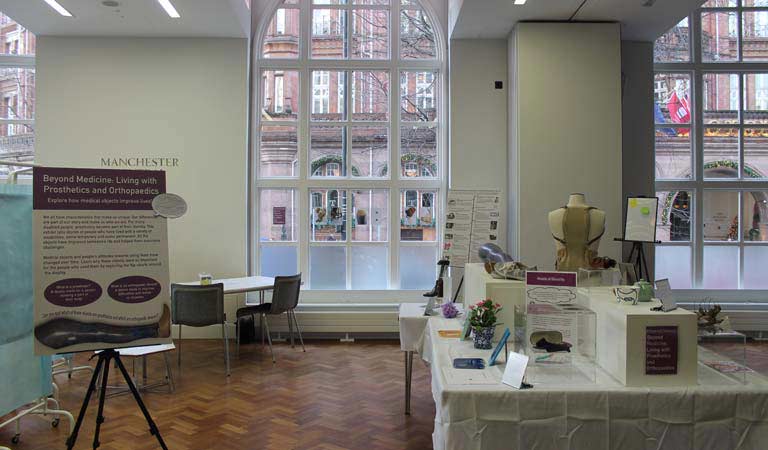
All this work informed the development of an exhibition of the objects to reach members of the wider public: On 7 December 2018 students produced a group pop-up exhibition titled 'Enhanced Humans?'. The students created a series of interactive displays using objects from the Museum of Medicine and Health's collection and focusing on medical innovation, health and human adaptability.
The one-day exhibition was produced in collaboration with the University of Manchester's Museum of Medicine and Health and took place in the Manchester Central Library. The exhibition was funded by the Faculty of Humanities.
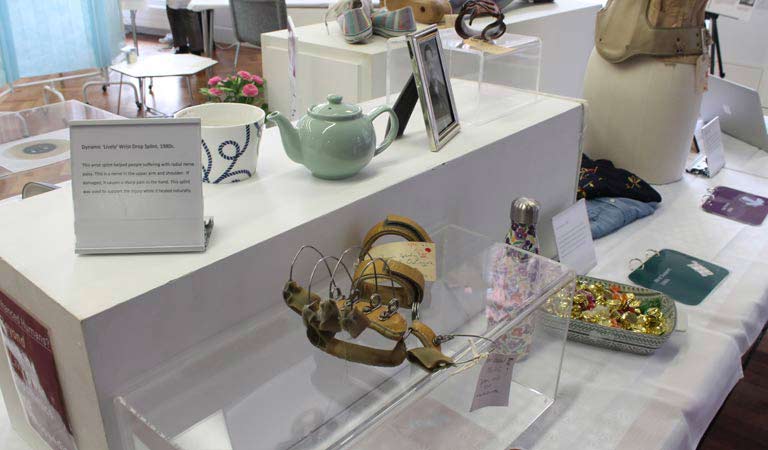
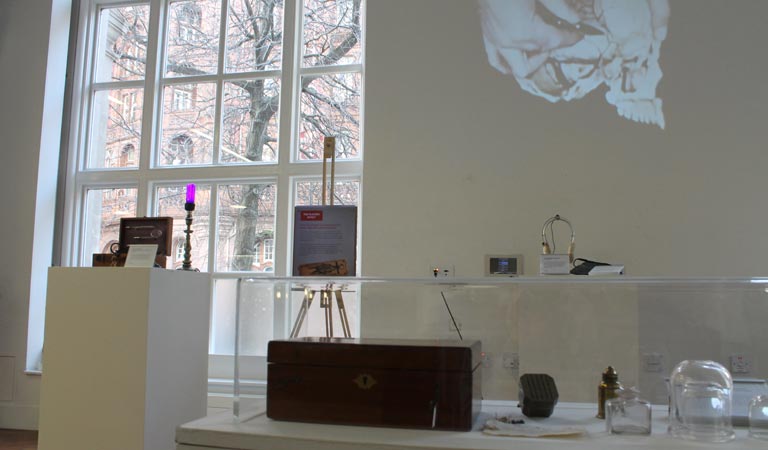
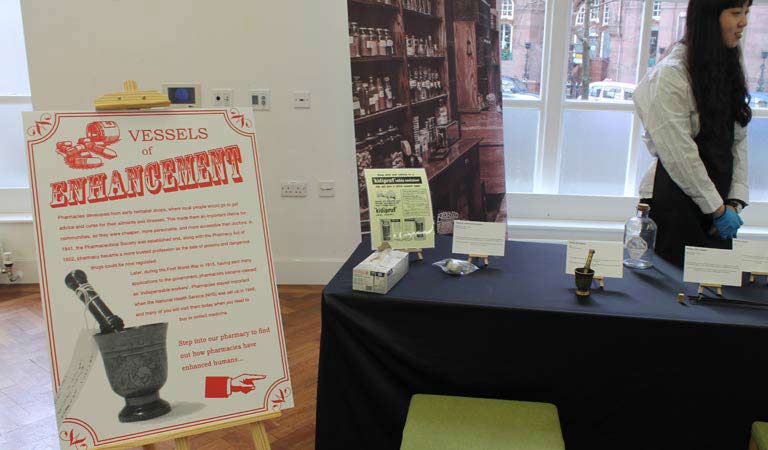
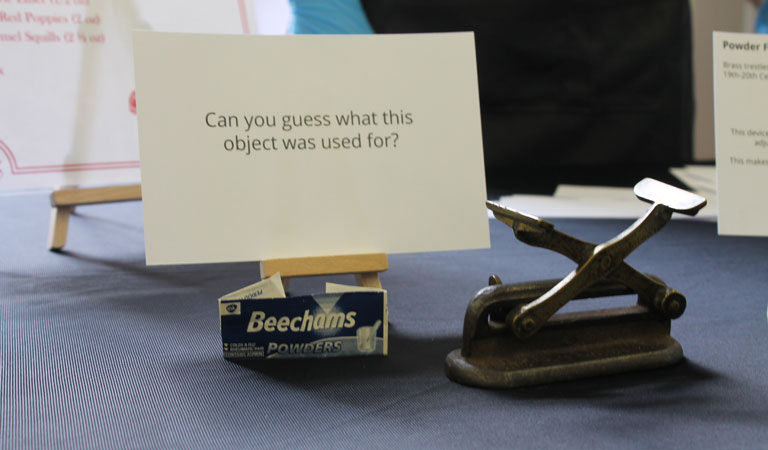
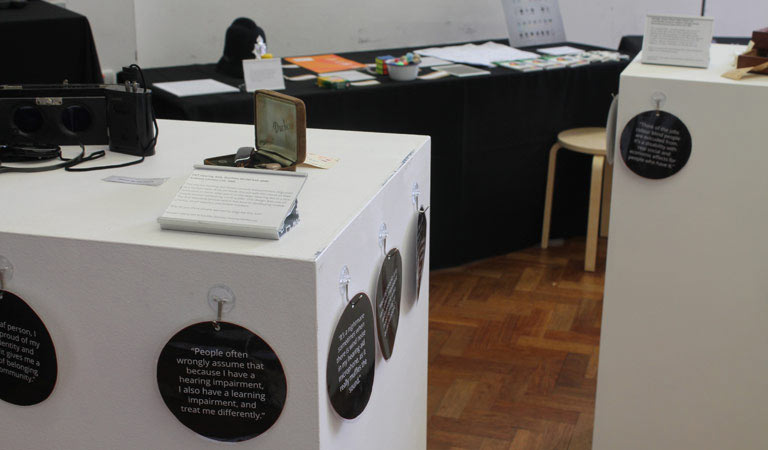
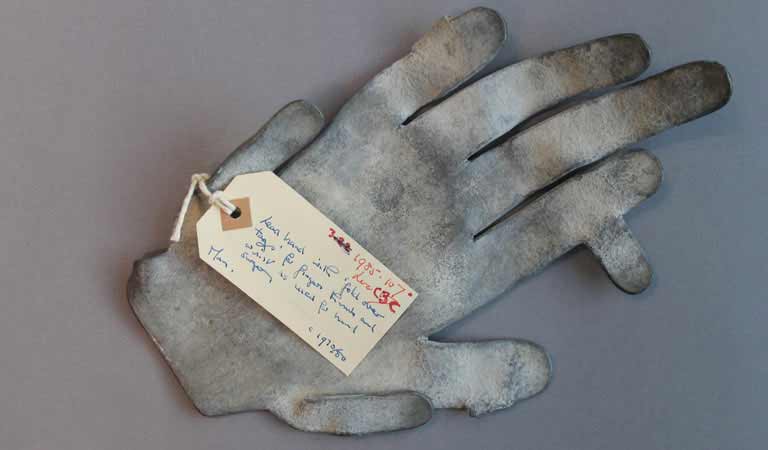
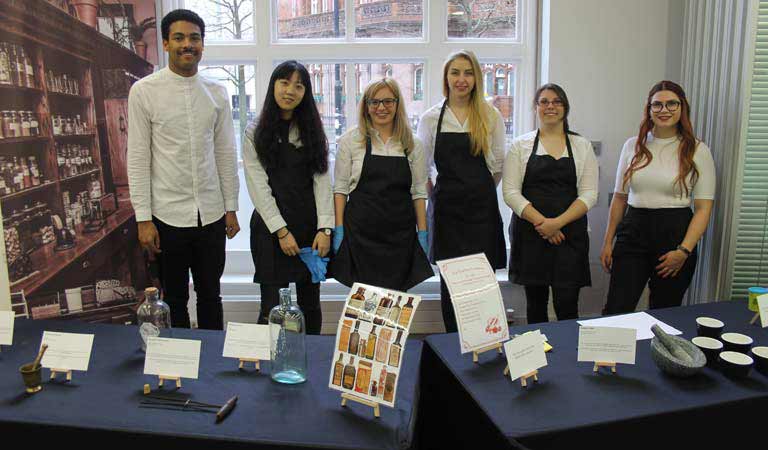
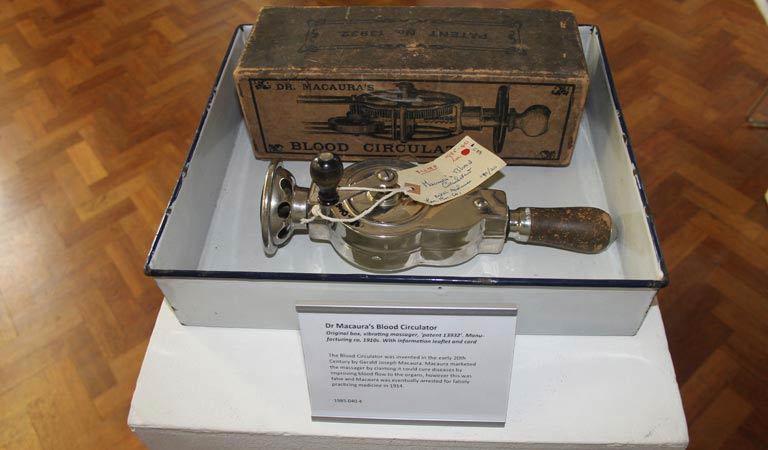
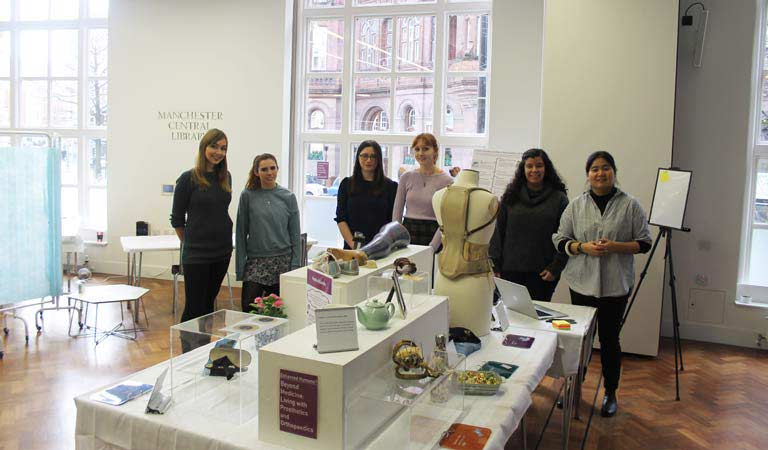
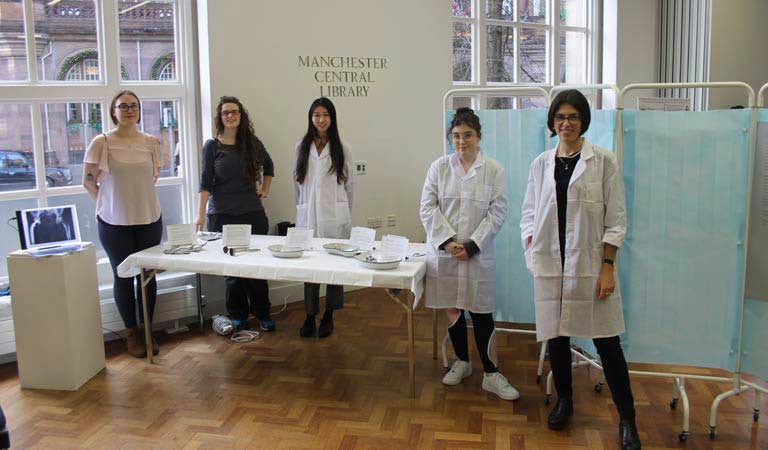
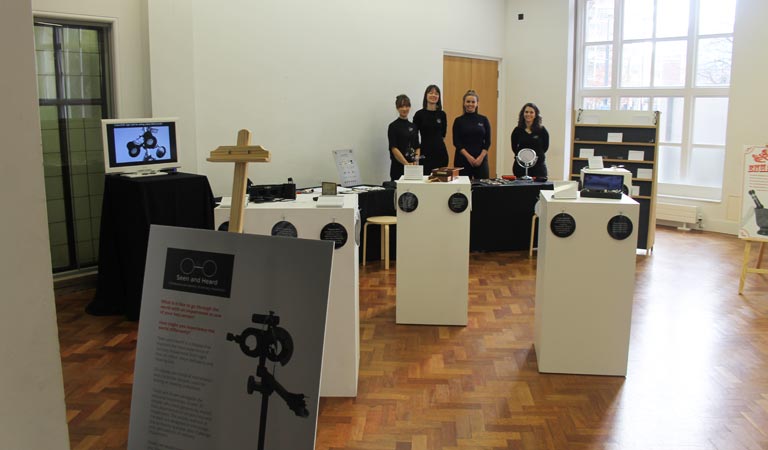
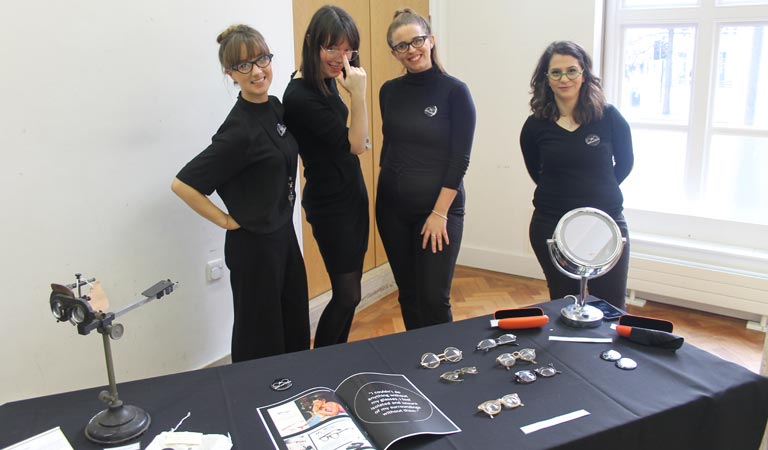
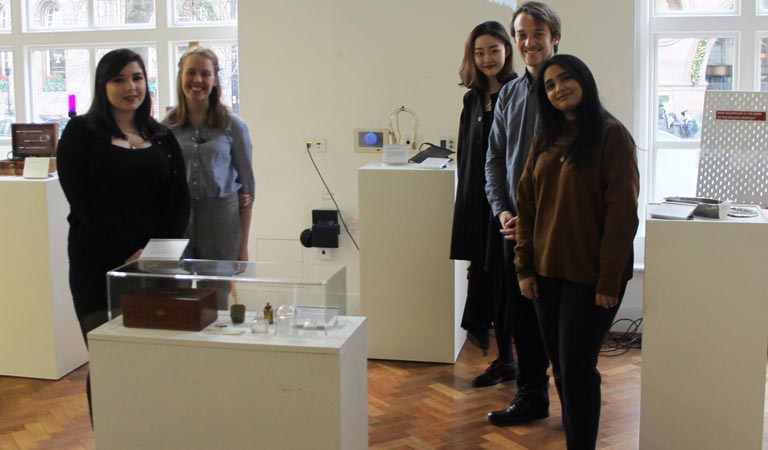
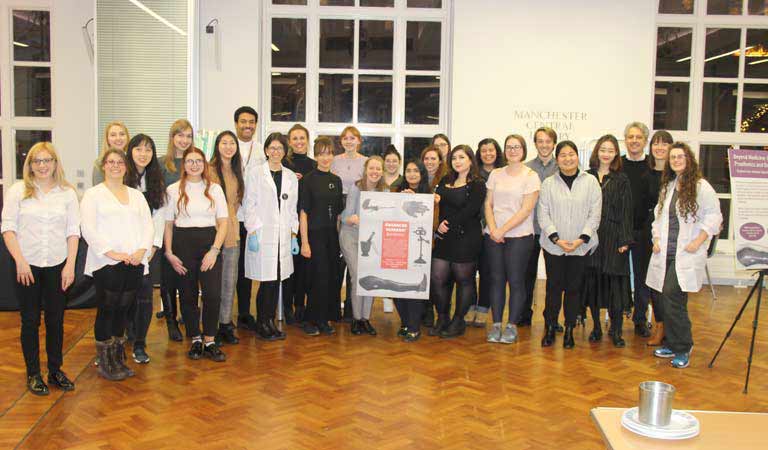
The exhibition took place on 7 December 2018 at Manchester's Central Library.Dynamic 'Lively' wrist drop splint from the 1980s, which helped people suffering from radial nerve palsy.Does the thought of treatment work better than the treatment itself?Vessels of enhancement: Pharmacies developed from early herbalist shops.Can you guess what this object was used for?The exhibition included quotes from personal experiences of people with vision and hearing impairment.Lead hand with 'fold over tags' for fingers, thumb and wrist as used for hand surgery.Students with pharmacy exhibitions which included a pestle and mortar, medicine bottles and an antique set of forceps.The 'Blood Circulator' was invented in the early 20th Century by Gerald Joseph Macaura who claimed, falsely, that it could improve blood flow to the organs.Our students provided some historical context for a selection of prosthetic and orthopaedic exhibits.Our students are photographed with more orthopaedic exhibits and examples of early x-rays.The exhibition asked what it might be like to experience the world with an impairment to one of your key senses.Four of our students demonstrate various sets of spectacles and other ophthalmic equipment.Five of our students provided more context to the idea that the thought of treatment can sometimes be more effective than treatment itself.The students behind the exhibition pose for a photograph at Manchester's Central Library.